

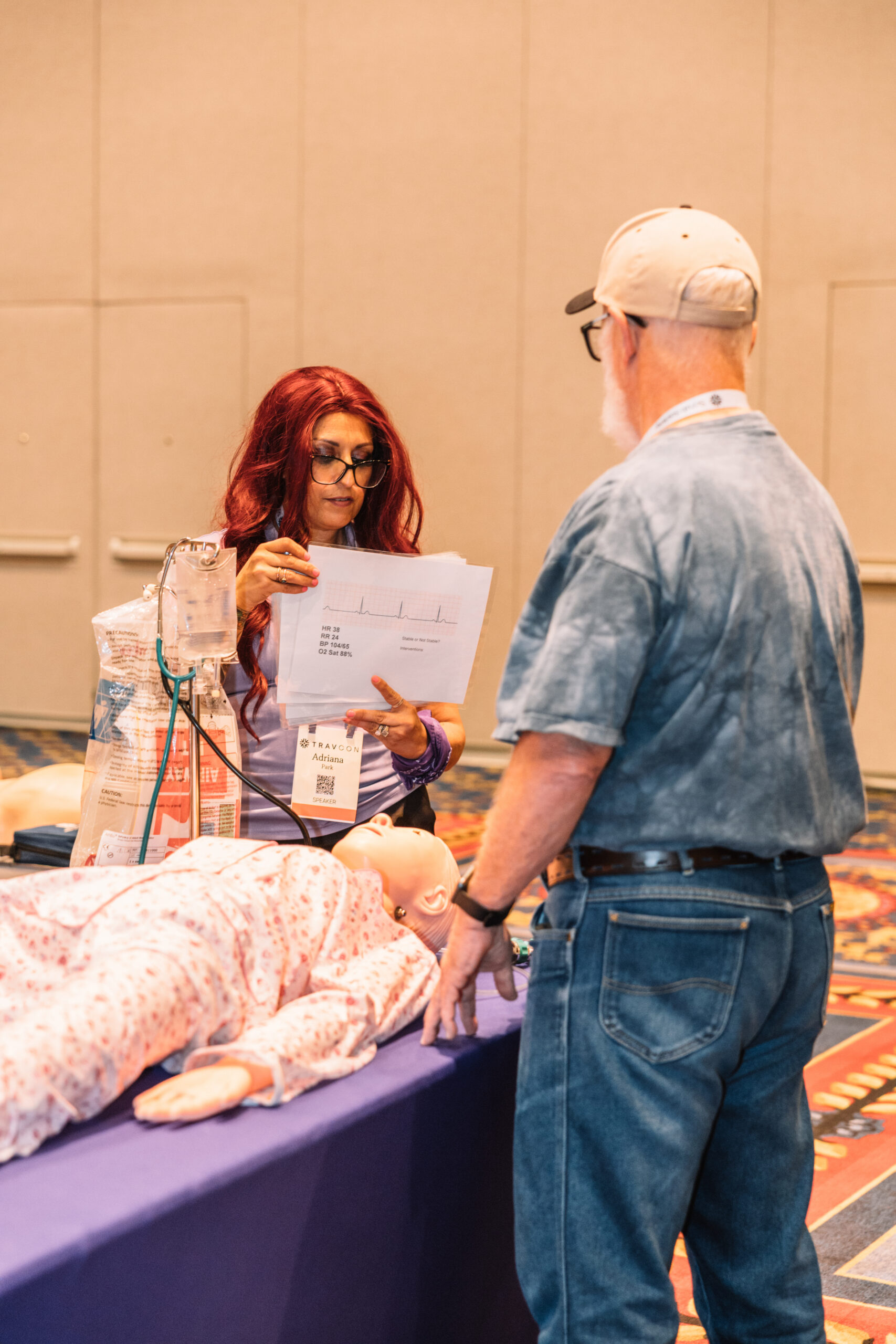
Your TravCon plans might start with booking a flight, finding a roommate, and figuring out which fellow travelers will be there. But somewhere between the reunion dinners and the exhibit hall, there is another opportunity worth putting on your calendar: investing in yourself. Continuing education at TravCon gives you a chance to refresh your knowledge, work on select certifications, and head home with more than a suitcase full of conference goodies.
For healthcare travelers, finding time for professional development can feel like a scheduling puzzle. You are balancing shifts, keeping track of credentials, and figuring out where your next assignment might take you. Bringing education into your conference experience can make it easier to give those goals some attention while connecting with people who understand your career and your lifestyle.
Maybe a renewal deadline is coming up, or you want to strengthen skills you use regularly. Perhaps you are curious about a course and want to understand whether it makes sense for your role. Whatever brings you to the classroom, a little planning can help you build a TravCon experience that includes useful learning and plenty of time with your travel healthcare community.
From life support courses to fetal heart monitoring and crisis prevention training, here is a closer look at the education and certification options to explore as you plan your visit.
Find the Learning Opportunity That Fits You
Before adding courses to your schedule, take a quick look at your current credentials and professional goals. Which renewals are approaching? What does your current or prospective facility require? Those answers can help you choose courses that support your work without filling every available minute of your trip.
Course offerings, prerequisites, and registration requirements can vary, so check the current TravCon listings before signing up. Here is an introduction to the options and what each one focuses on.
Advanced Cardiovascular Life Support (ACLS)
ACLS builds on basic life support skills to prepare healthcare professionals to respond to cardiovascular emergencies in adults, including cardiac arrest. Assessment, treatment, and clear team communication all play a role in the training. If ACLS is part of your assignment requirements, adding the appropriate course or renewal to your TravCon plans could help you take care of an important career task while you are already away from your usual routine.
Basic Life Support (BLS)
BLS focuses on foundational emergency response skills, including CPR, automated external defibrillator (AED) use, and assistance with choking. The course emphasizes recognizing an emergency, taking action, and working with others during a response. Before you head to TravCon, check your expiration date so an approaching renewal does not catch you by surprise when you are preparing for your next assignment.
Pediatric Advanced Life Support (PALS)
Caring for infants and children brings different assessment and emergency response considerations. PALS focuses on recognizing and responding to pediatric respiratory emergencies, shock, and cardiac arrest, with teamwork woven throughout the training. If your travel role involves pediatric patients, review your facility’s requirements to see whether PALS belongs on your conference checklist.
AWHONN Intermediate Fetal Heart Monitoring
For perinatal clinicians, fetal monitoring information is one important part of understanding how labor is progressing. AWHONN’s Intermediate Fetal Heart Monitoring course focuses on assessing fetal heart rate patterns and uterine activity, interpreting findings, and communicating with the care team. Travelers working in labor and delivery or related settings can review the prerequisites and intended audience to decide whether the course fits their experience.
Neonatal Resuscitation Program (NRP)
NRP provides education for healthcare professionals who care for newborns at birth. The program brings together newborn resuscitation knowledge, practical skills, and the communication needed for a coordinated response. If NRP is relevant to your work, confirm which course level your employer or prospective facility expects before choosing an option at TravCon.
Crisis Prevention Institute (CPI) Training
Knowing how to recognize escalating behavior and respond thoughtfully is valuable in a healthcare environment. CPI’s Nonviolent Crisis Intervention training focuses on prevention, verbal de-escalation, and supporting safety, with additional response skills depending on the course. Review the specific offering to understand what is included and whether it meets your facility’s training requirements.
Do a Little Homework Before Las Vegas
Your first assignment is to read the course instructions before packing your bags. Some options require online learning or other preparation before you attend an in-person session. Taking care of those steps early means you can arrive ready to participate instead of trying to finish coursework when you had planned to meet friends for dinner.
For example, TravCon’s published BLS, ACLS, and PALS instructions direct participants to complete the required online portion before arriving and bring their completion certificate to the skills session. Check your registration details for preparation requirements, required materials, and session times. Review costs carefully, too, including whether the online portion and in-person session require separate purchases.
Leave Room for Learning and a Little Fun
A good conference schedule gives you something to look forward to without making every hour feel like an appointment. Start with courses that have set attendance or testing times, then build the rest of your plans around them. You will have a clearer picture of when you can explore the exhibit hall, catch another presentation, or finally meet that traveler you have only known through a group chat.
Choose a few priorities before you arrive. Completing a renewal, learning something useful for your specialty, and having a meaningful conversation with another traveler can all be worthwhile goals. You do not have to attend everything to leave feeling like your trip was time well spent.
Make Sure Your Learning Gets Counted
After putting time into your education, you will want the documentation to show for it. TravCon’s published CE instructions include scanning your badge when entering educational sessions, meeting attendance requirements, and completing an online evaluation. Check the current directions for your profession and selected sessions so you know exactly what to do.
Keep in mind that continuing education contact hours and course completion credentials serve different purposes. Confirm what your selected activity provides and whether it meets the requirements of your licensing board or certifying organization. Once your documentation is available, save it somewhere you can easily find it when renewal or credentialing time rolls around.
Come for the Community. Make Time for Your Career.
TravCon brings together people who understand the excitement, questions, and occasional chaos of a travel healthcare career. Making education part of that experience gives you another way to make the trip worthwhile. You can reconnect with your community, learn something useful, and give your professional goals a little space on the calendar.
Ready to see what fits your plans? Explore TravCon’s education and certification options for current offerings, requirements, and registration details. Then build a schedule with room to learn, connect, and enjoy the experience.